


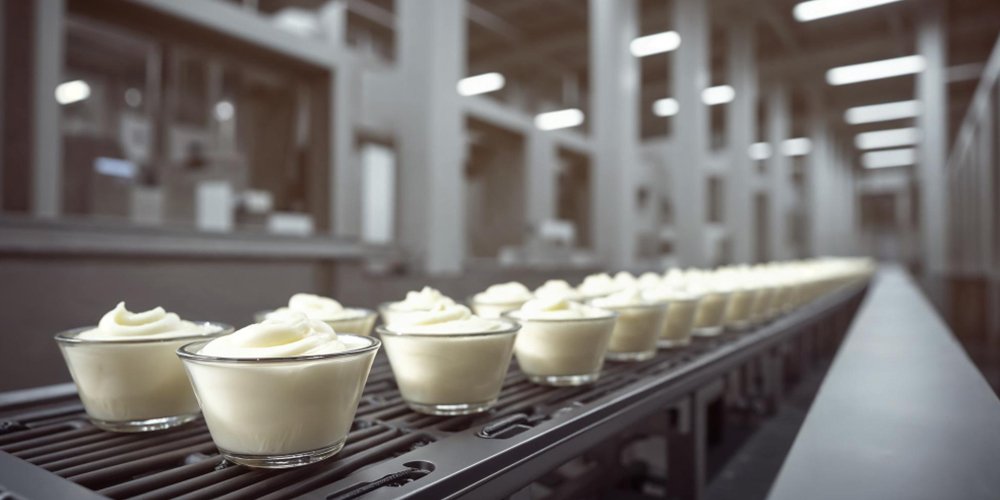
Mayonnaise is an indispensable flavor in our kitchens. However, the commercial-scale production of this flavor must be carried out in accordance with hygiene standards. This is where mayonnaise production lines come into play. In this article, we will examine the importance and operation of the production lines provided.
Key Features of Mayonnaise Production Lines
Mayonnaise production lines consist of machines that accelerate and meet the standards for industrial-scale mayonnaise production. These machines generally have the following key features:
- Dosage Control Systems: A good mayonnaise production line should be able to control the material dosage precisely to ensure product quality and consistency.
- Mixing and Homogenization: Achieving a homogeneous mixture is crucial in mayonnaise production. Therefore, the production line should effectively perform mixing and homogenization processes.
- Automation and Control Systems: Advanced automation and control systems are important to optimize the production process and minimize human errors.
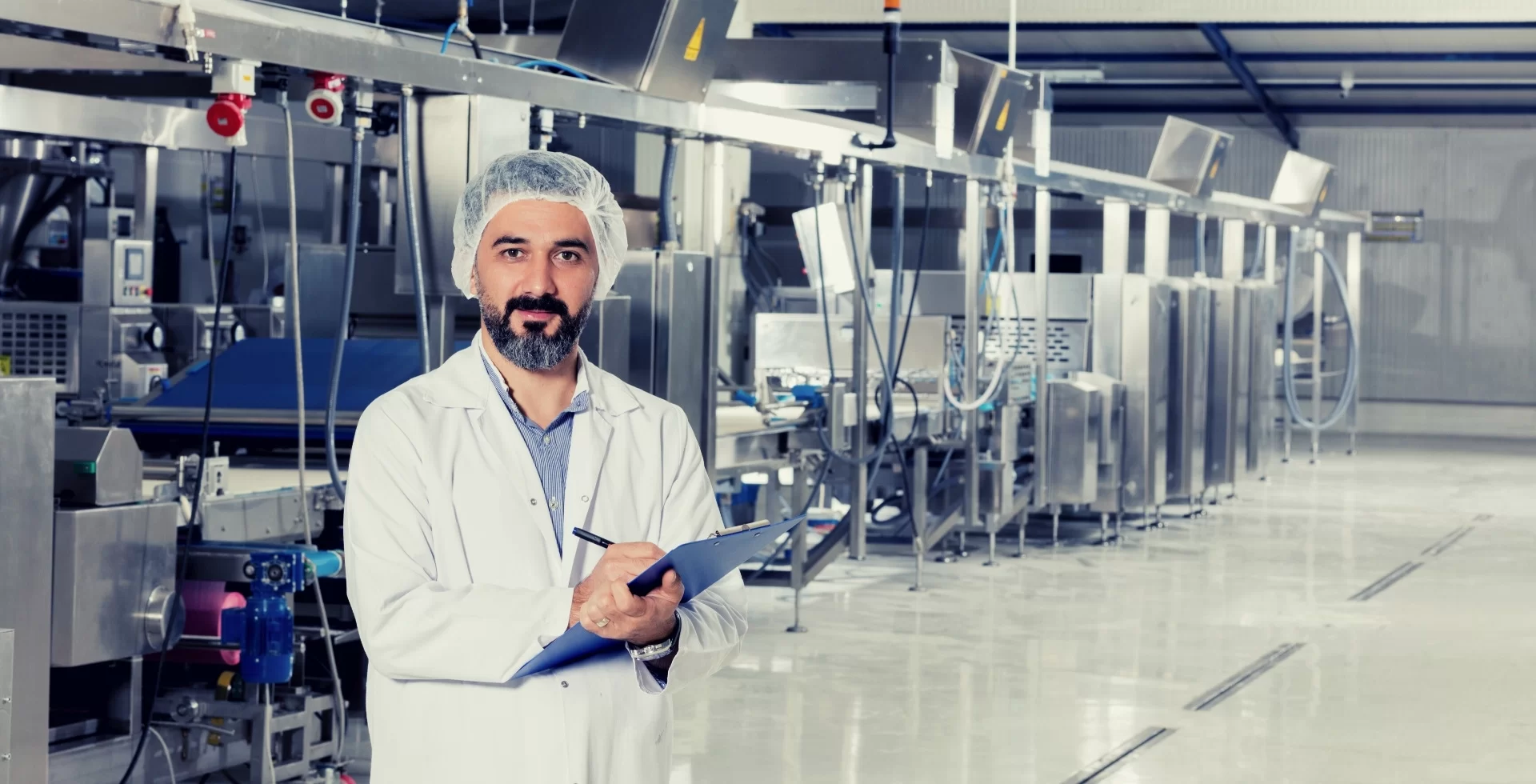
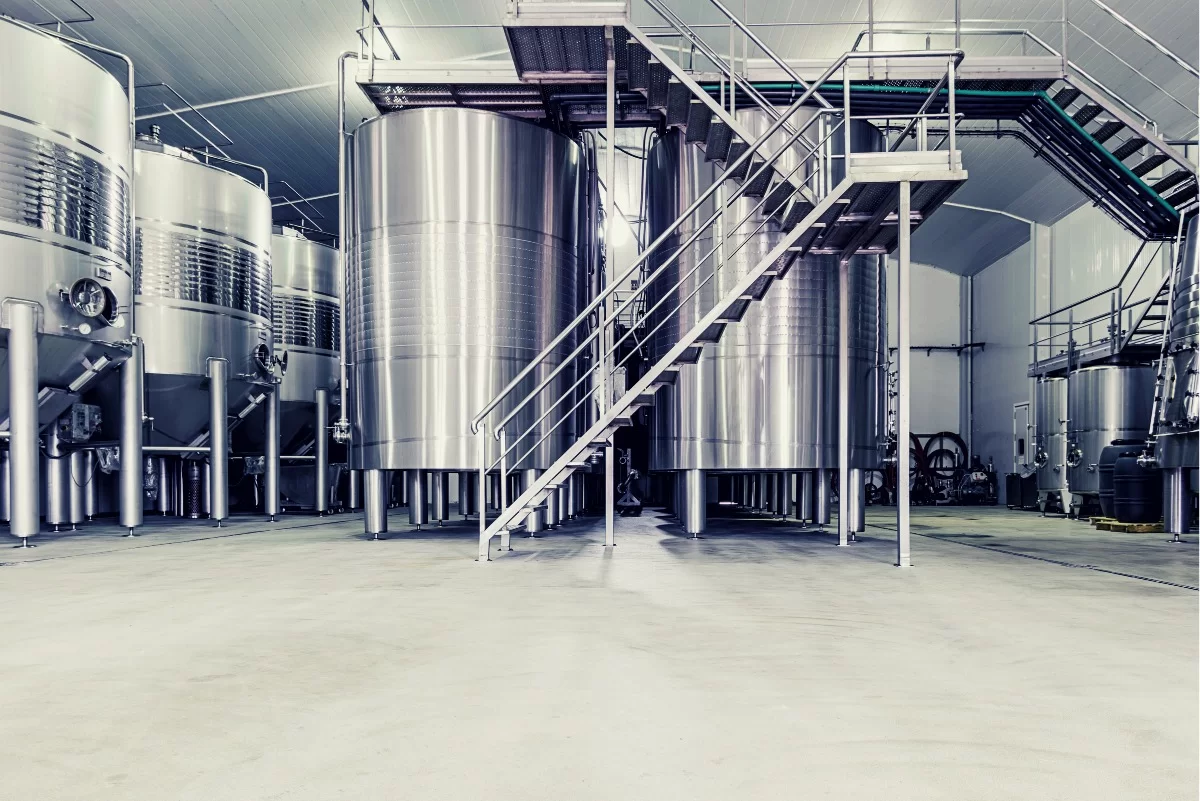
- Compliance with Hygiene Standards: Mayonnaise is a sensitive food product, so the production line must fully comply with hygiene standards. Features such as stainless steel surfaces and easily cleanable parts contribute to meeting these standards.
- Flexibility and Diversity: Mayonnaise production lines should be able to adapt to different formulations and packaging options. This is essential for responding quickly to customer demands.
Installation of Mayonnaise Production Line: Steps and Processes
The installation of a mayonnaise production line is a complex process involving several important steps:
Project Planning: The first step is to understand customer requirements and design a suitable production line. Project planning should include factors such as facility capacity, production processes, and the desired product variety.
Machine Selection and Procurement: The selection of machines required for mayonnaise production lines is crucial. The correct choice of elements such as dosage machines, mixers, homogenizers, and packaging machines is critical for a successful production process.
Assembly and Testing Phase: The selected machines are assembled and tested in the facility. This stage is important to ensure that the machines are functioning correctly and that product quality is maintained.
Training and Commissioning: Training is provided for the staff to effectively use the new production line. Subsequently, the production line is officially commissioned.
Service and Support: After the installation of the mayonnaise production line, companies typically provide regular maintenance and technical support to customers. This is important for production continuity and machine longevity.
Conclusion: Innovation and Quality
Mayonnaise production lines bring together innovation and quality in industrial kitchens. Hygienic, automated, and flexible production lines provide a competitive advantage for mayonnaise producers. Therefore, offering customized solutions for each customer, continues to increase its brand value as the new definition of flavor and quality in the food industry.